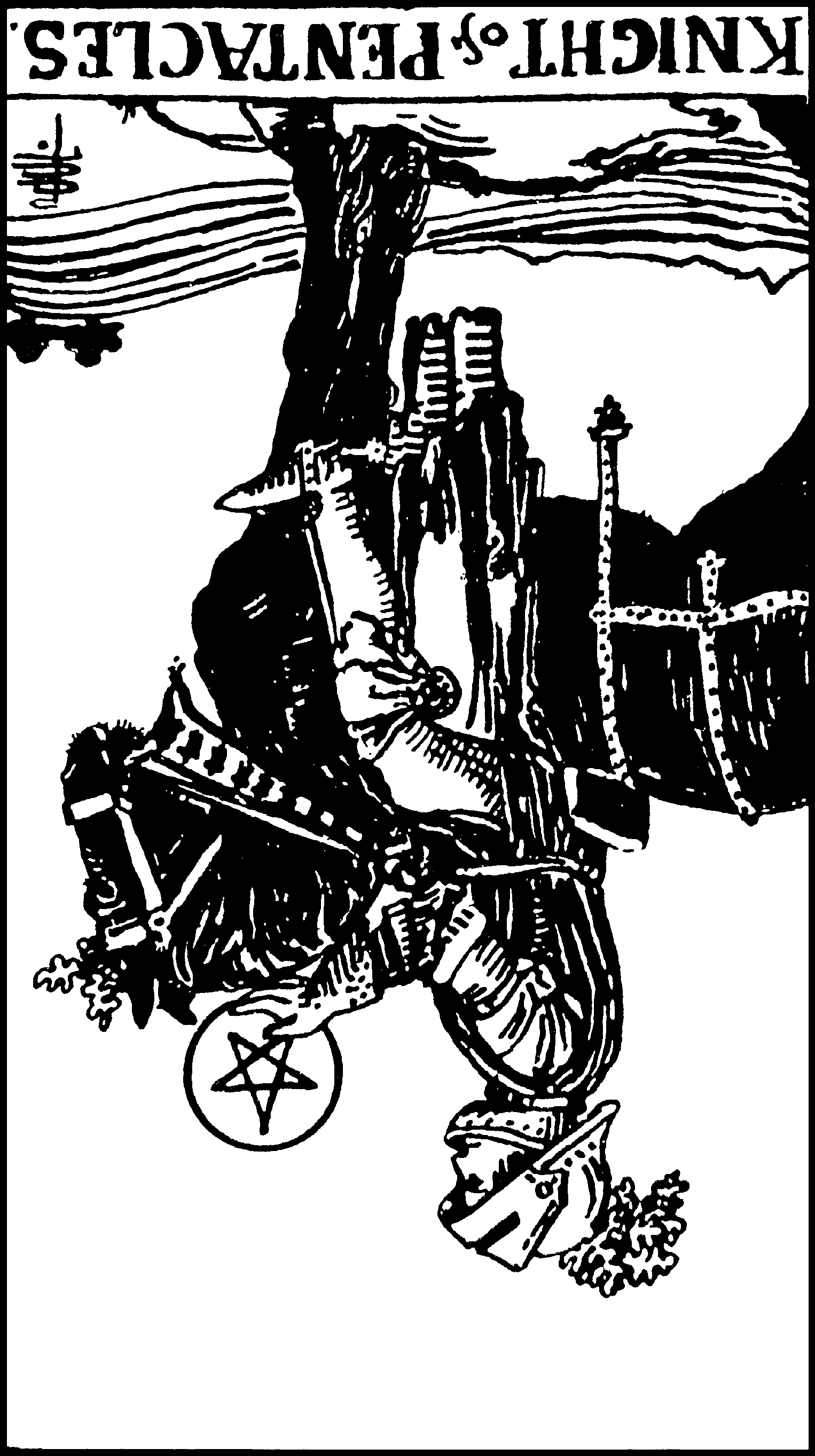
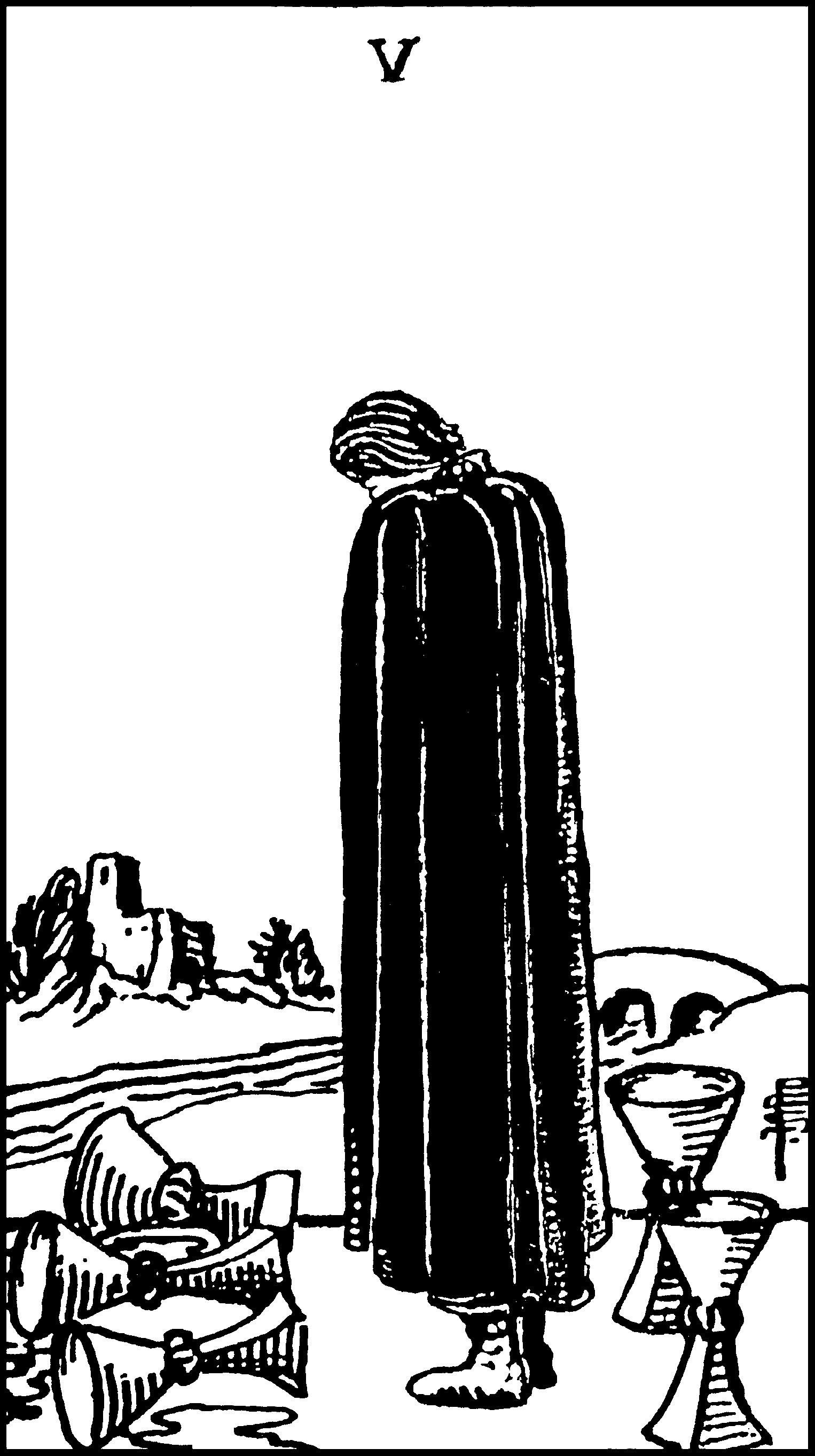
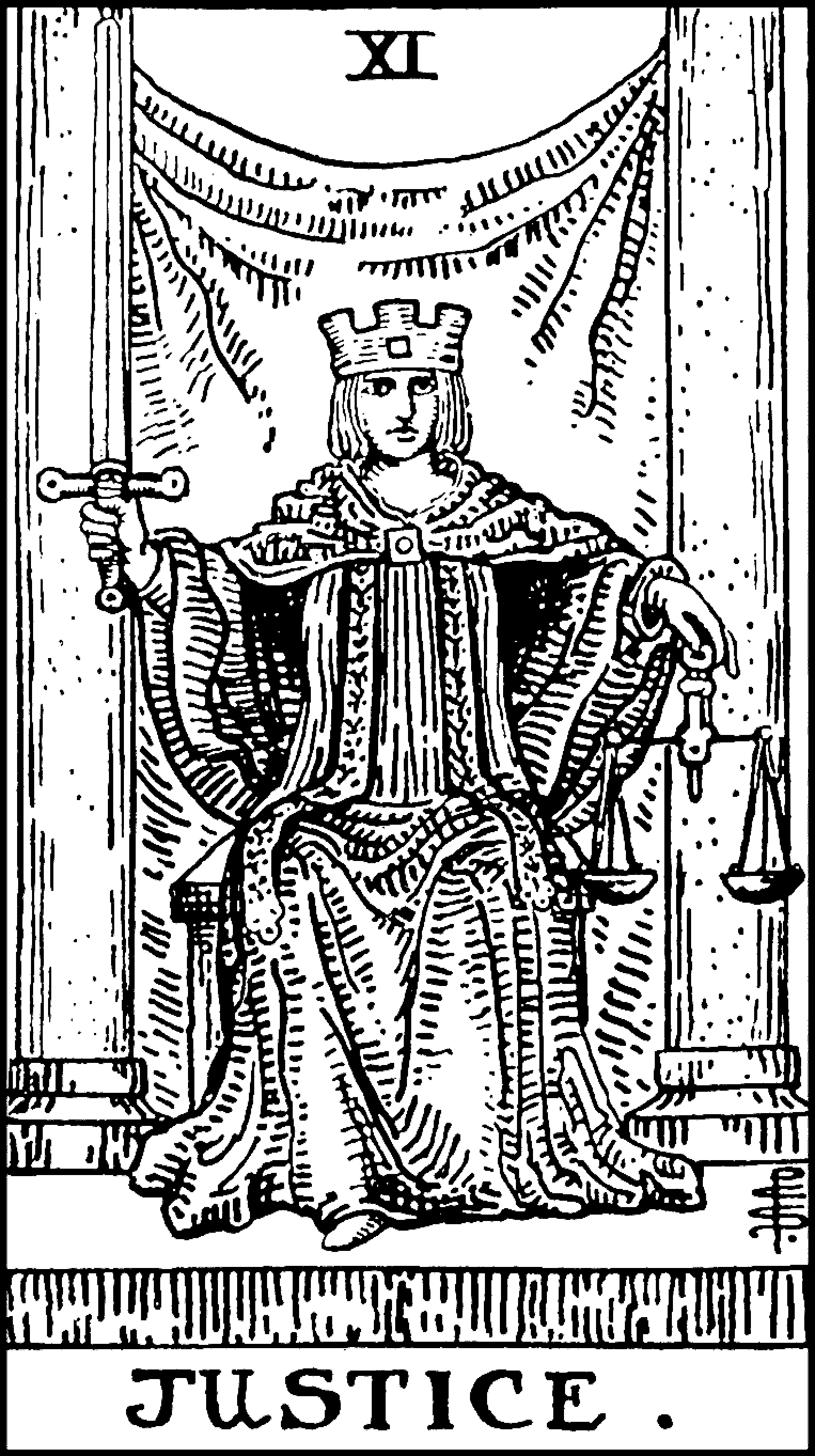
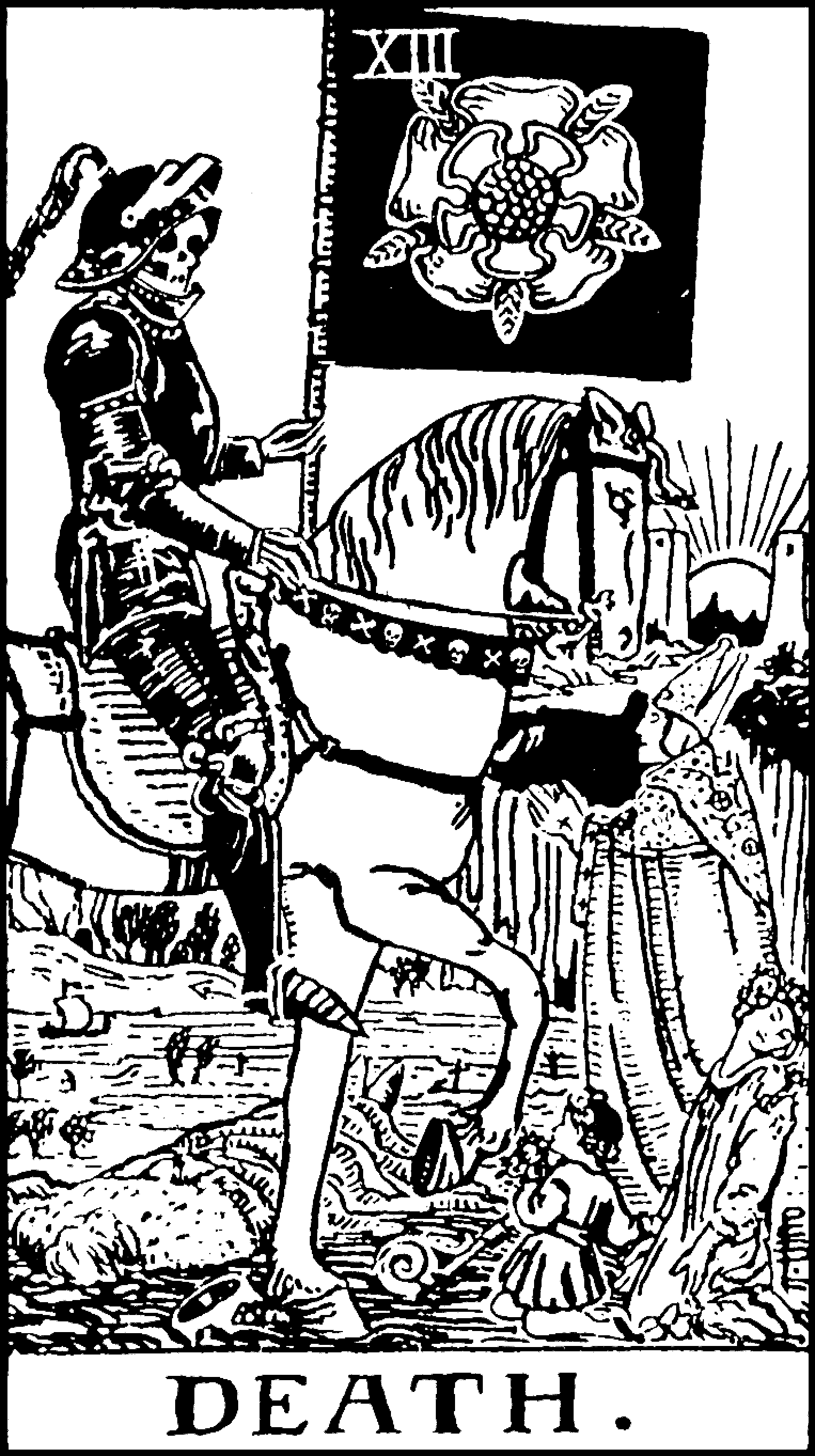
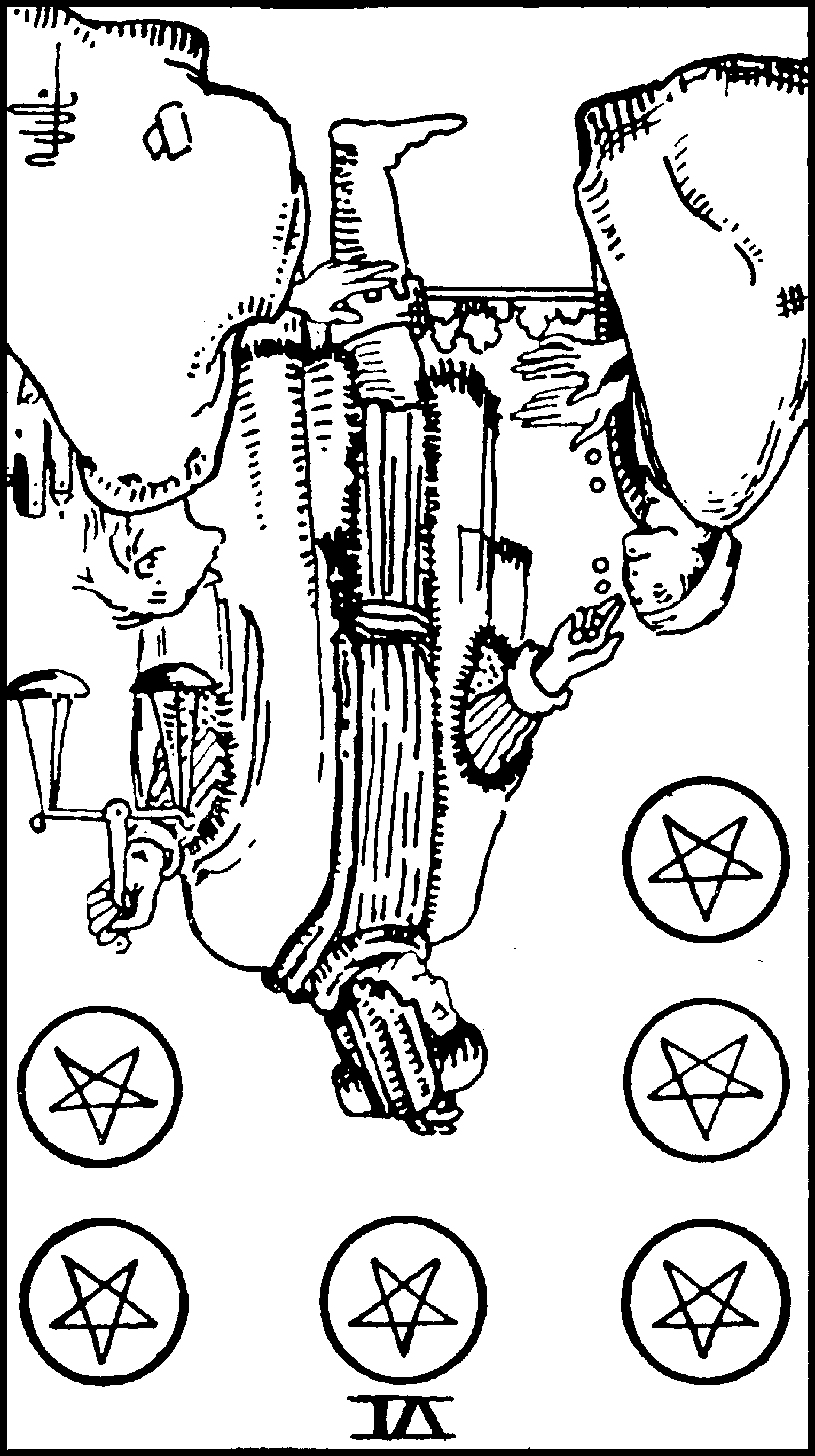
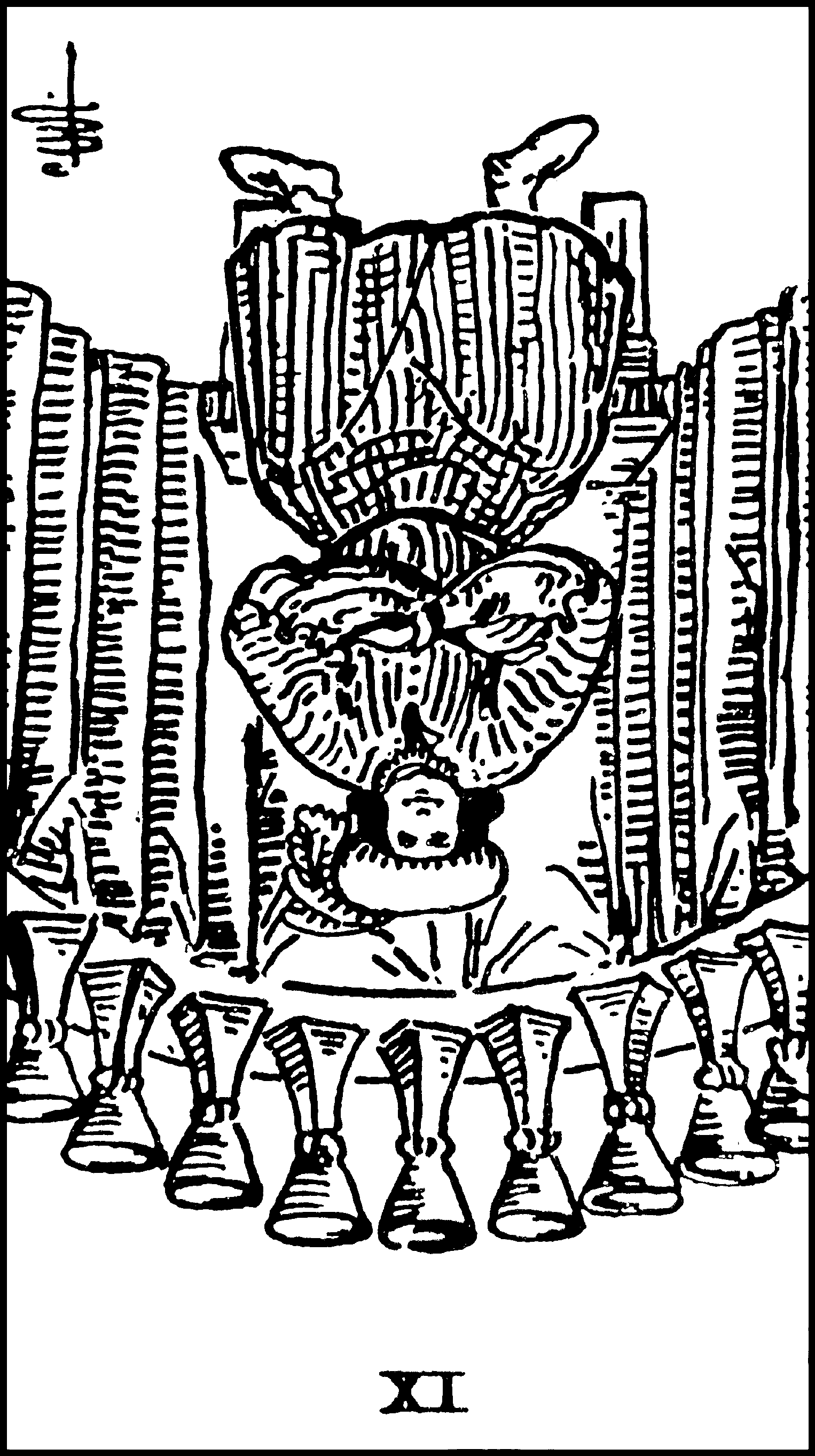
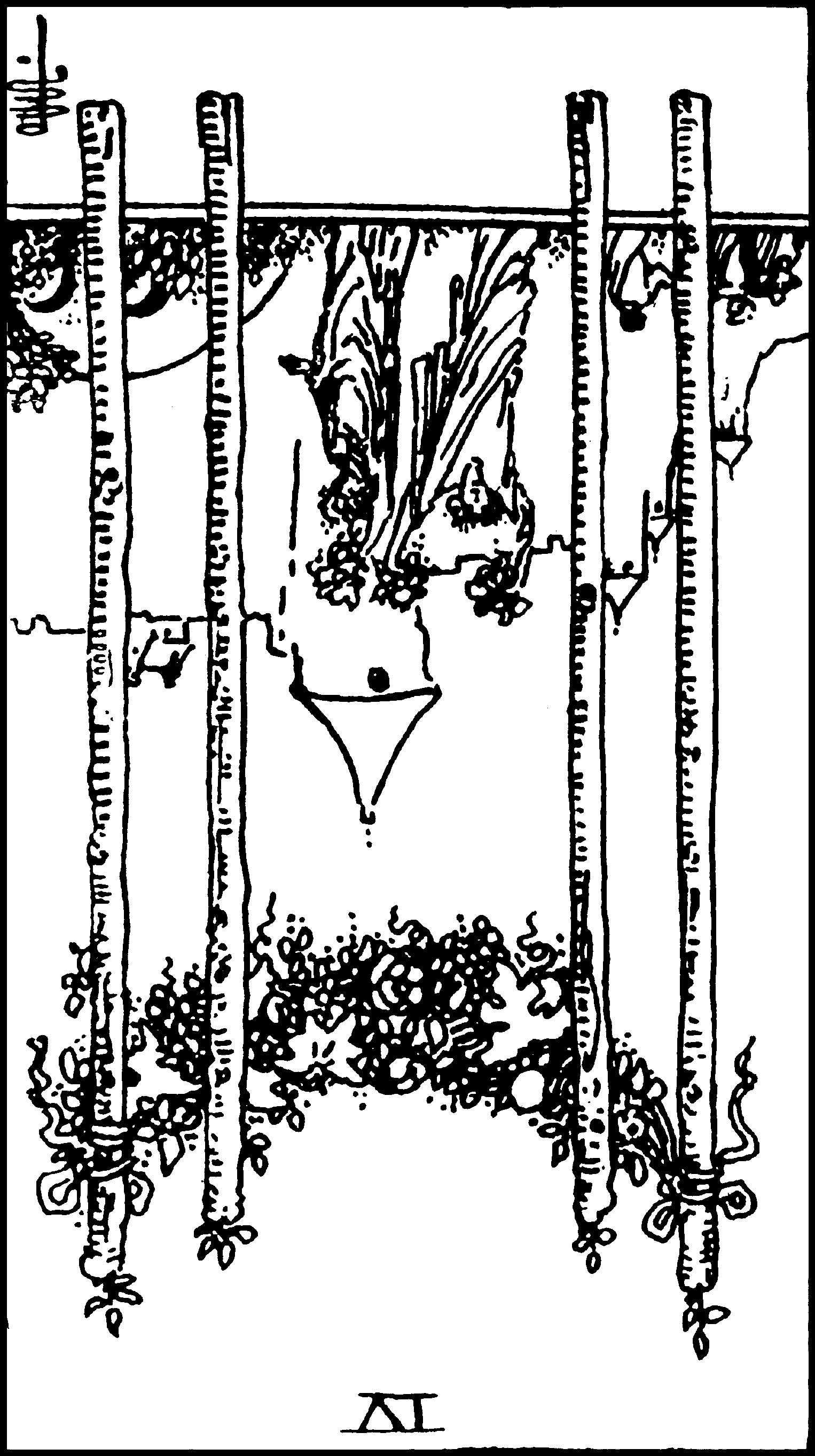
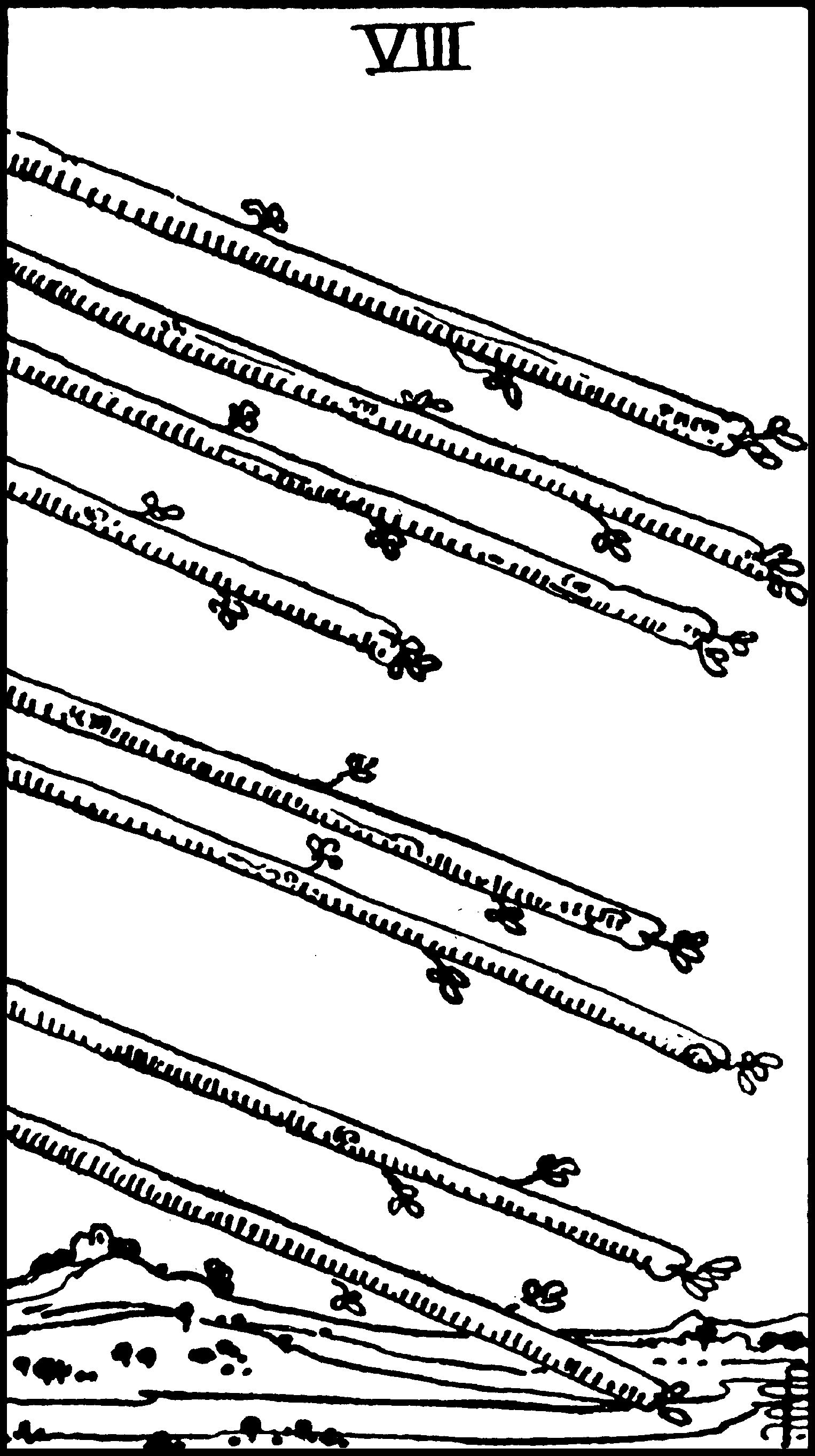
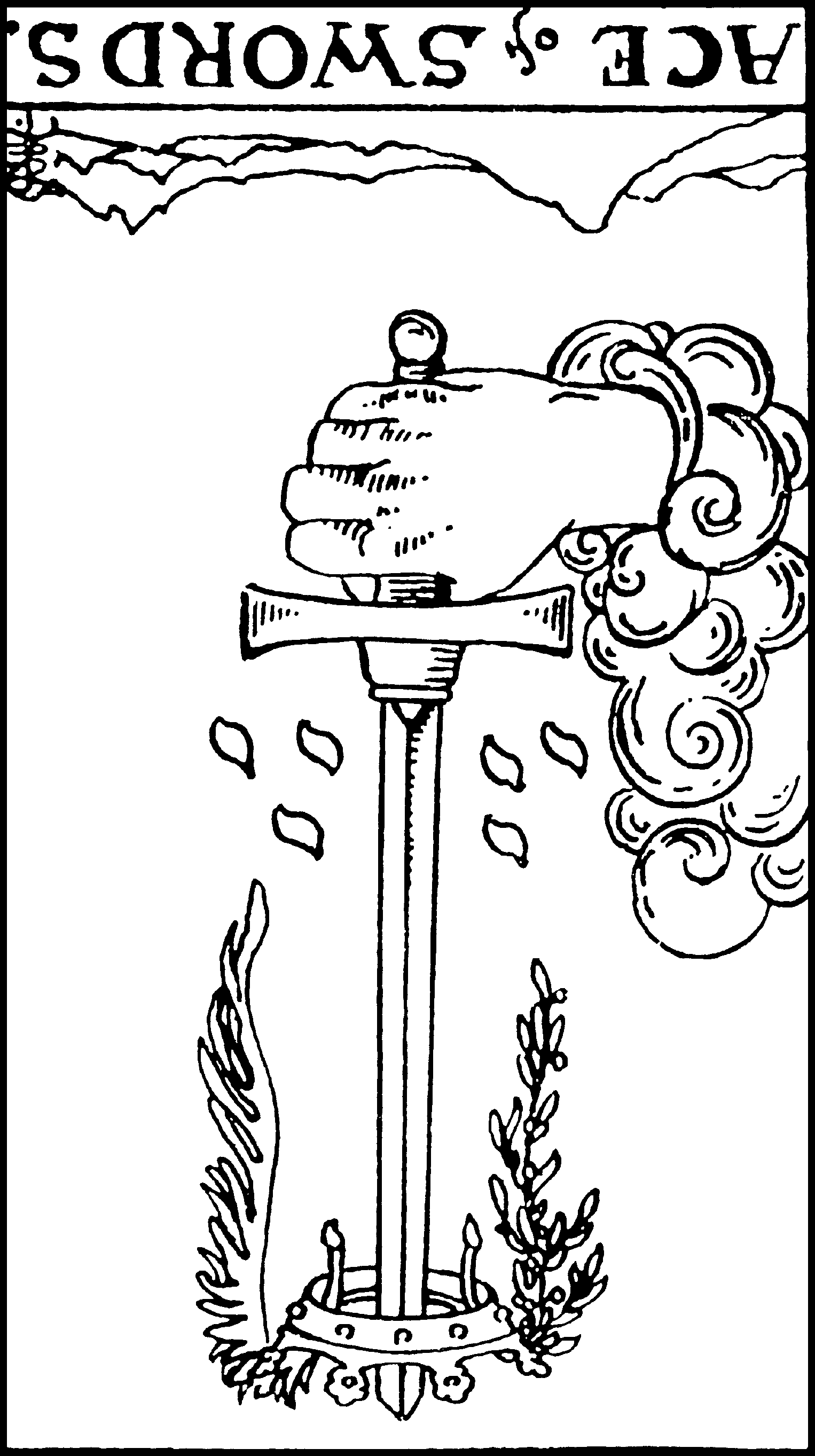
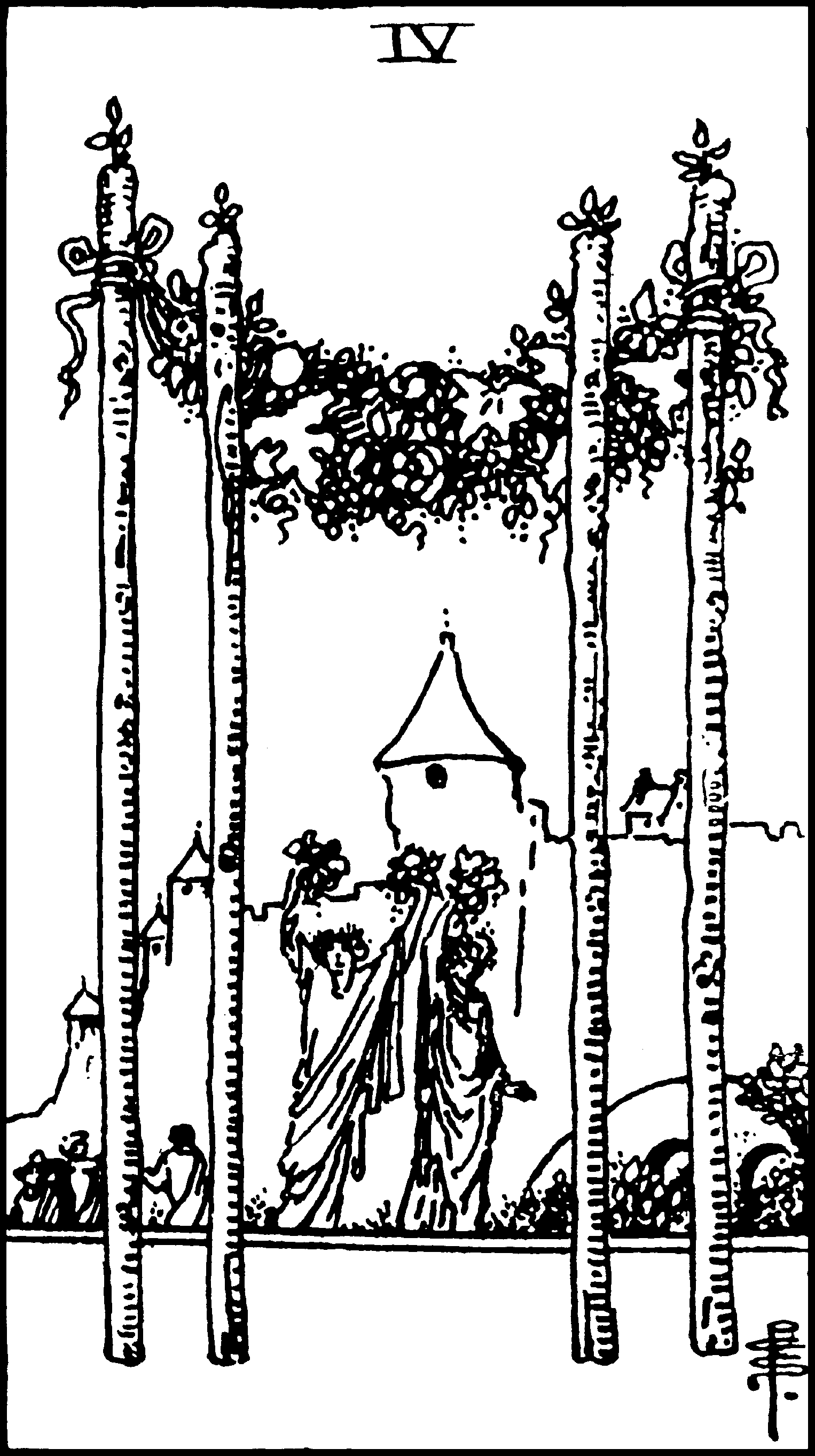
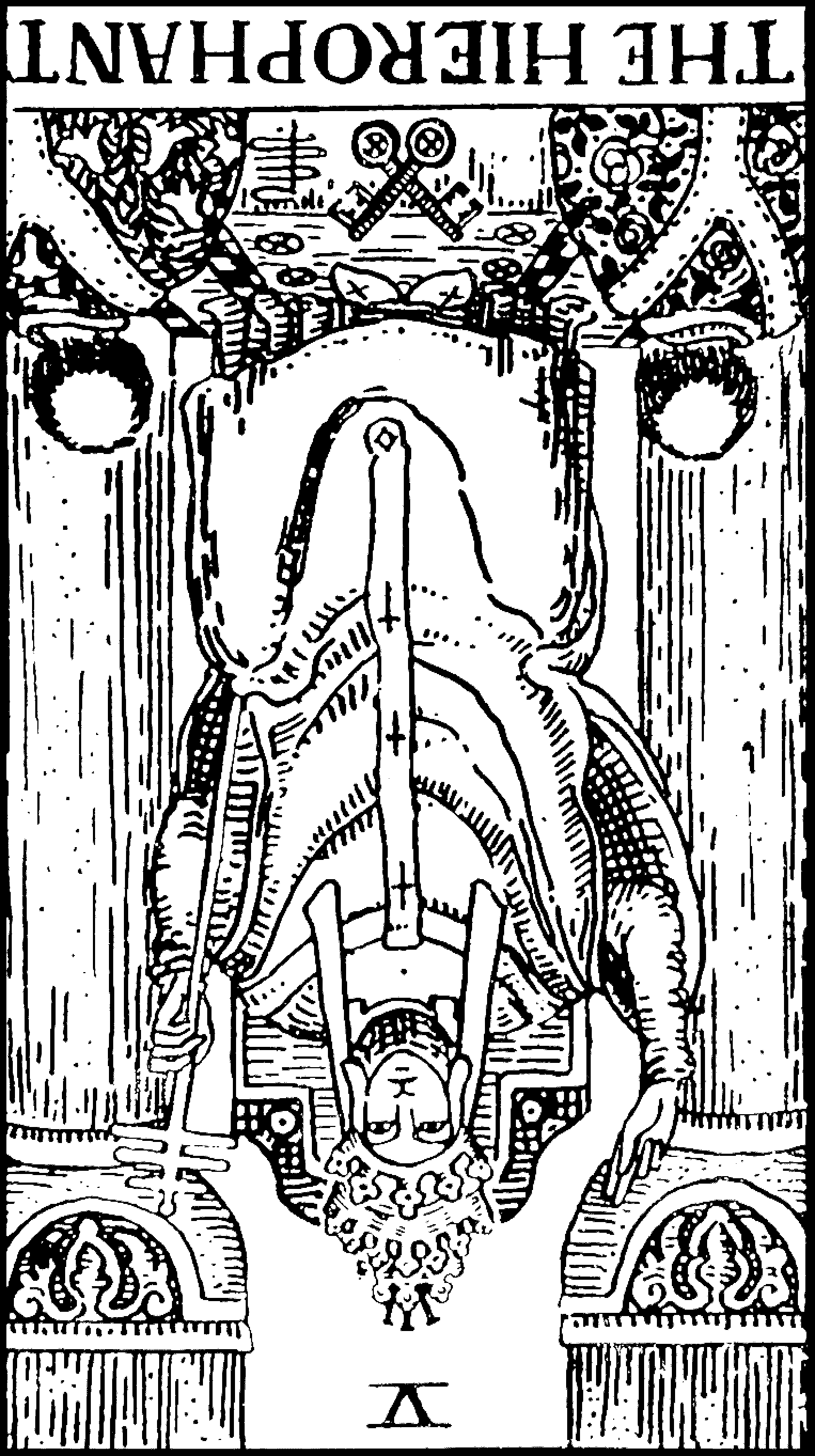
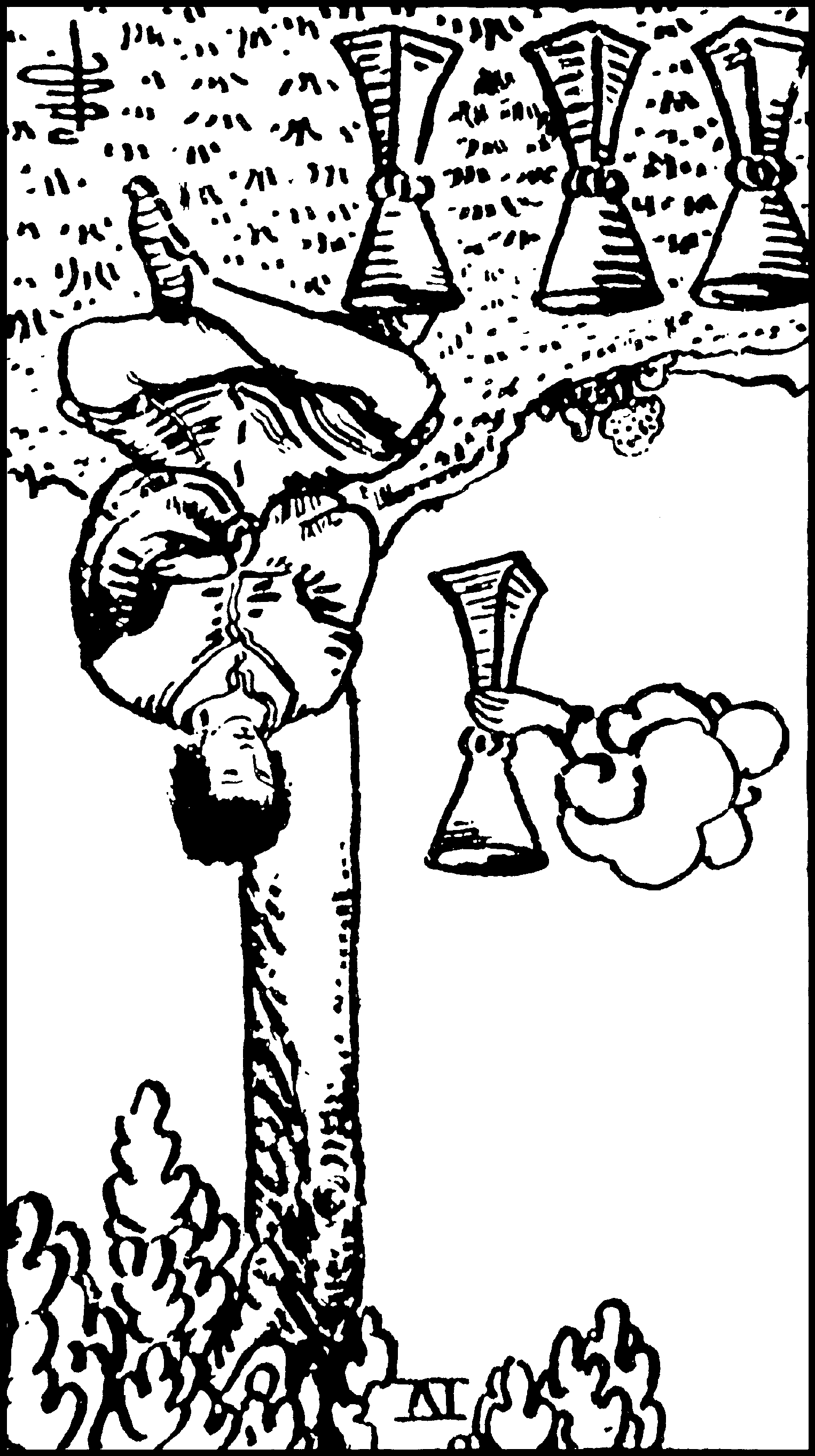
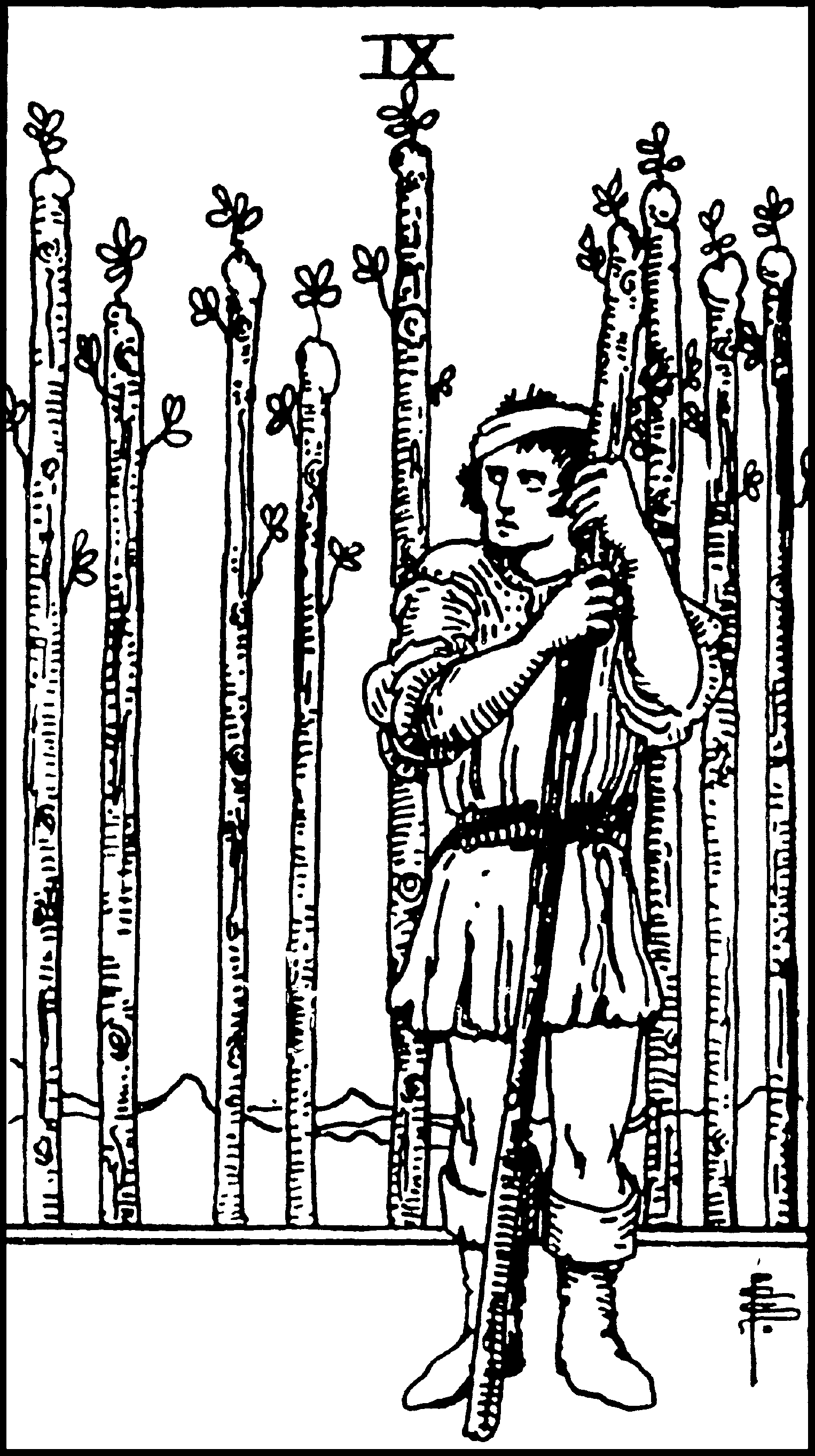
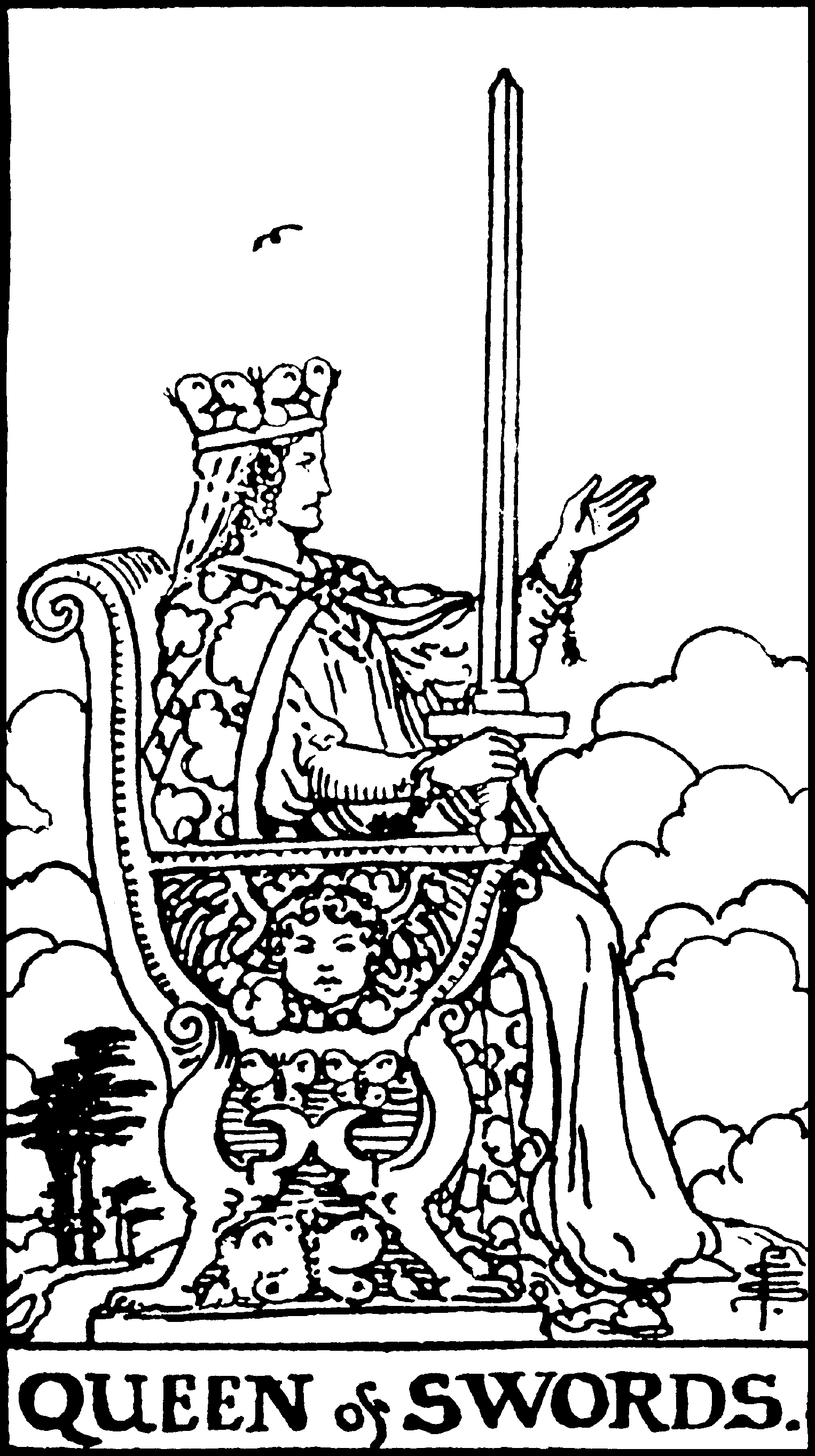
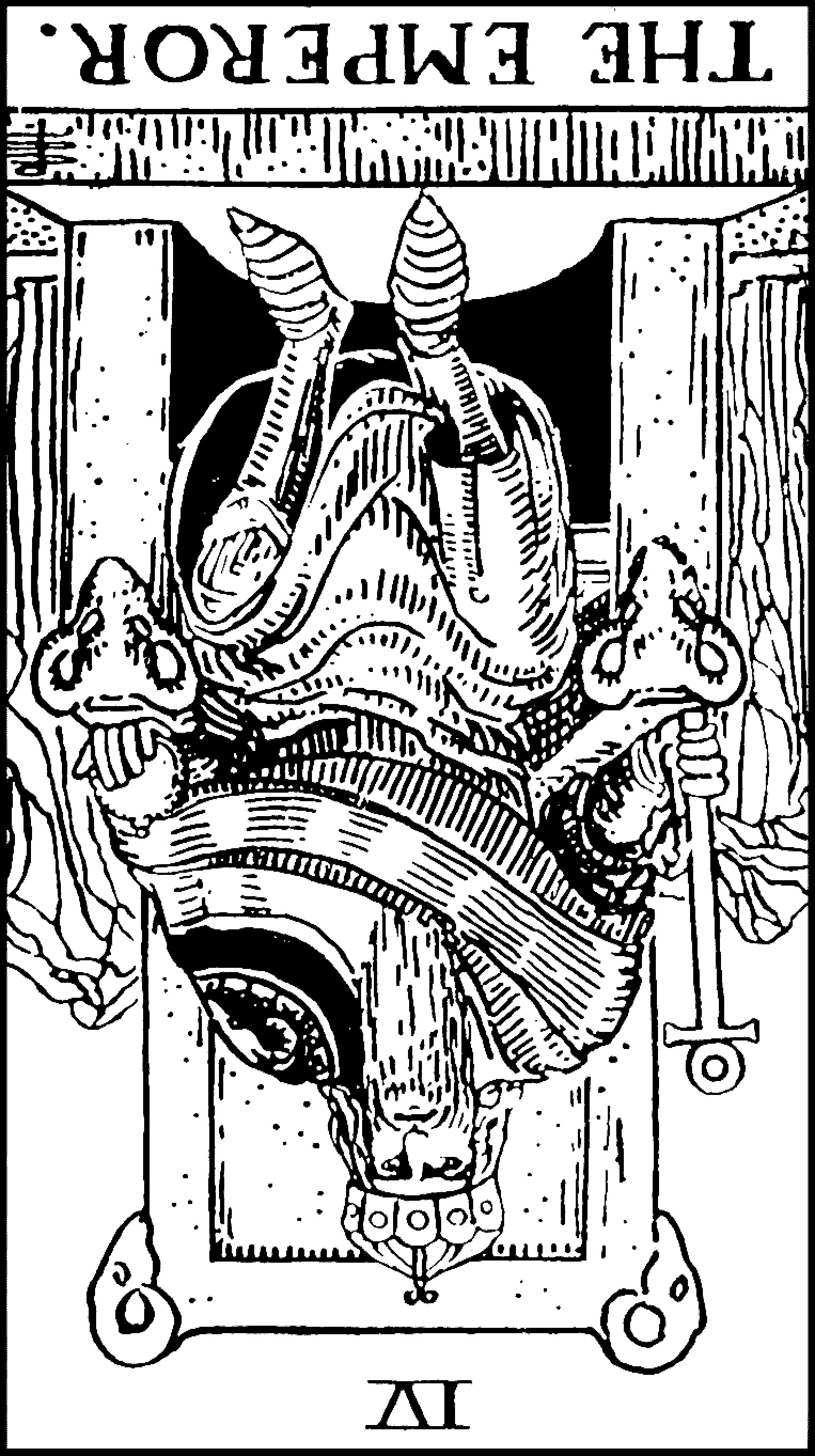
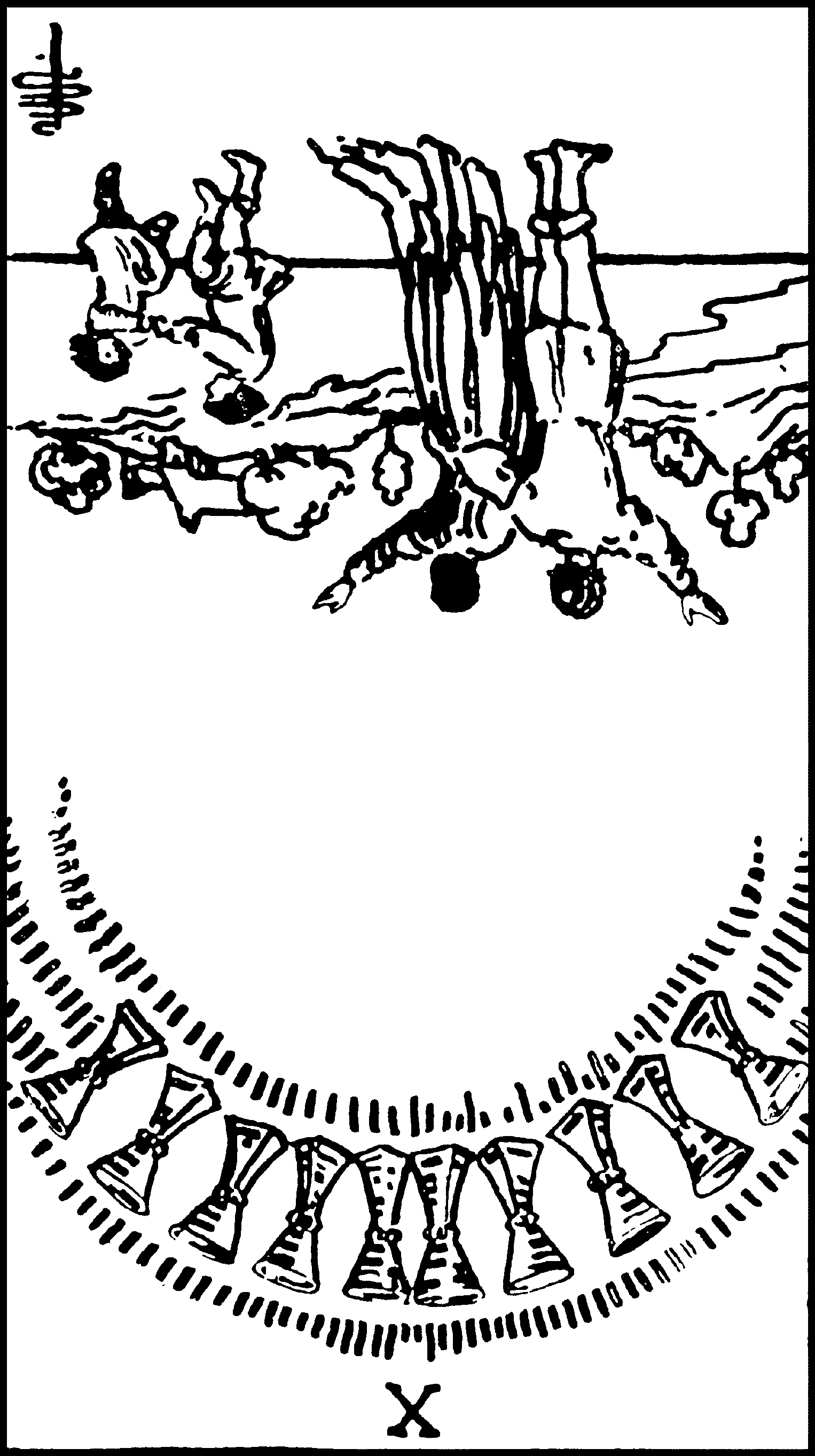
These first few lines are the general aphoristic returns for the week. They are raw and uninterpreted; there to use how you’d like. (The specific readings follow.)
- Without active impartiality there will be no fairness.
- No rewards, only process.
- Change comes from situating the past properly, that is, responsibly and critically (impartially).
Question from “T.B.D.”: How to reignite a creative practice that has gone dormant?
(From this distance, the original feels like a mysterious miracle...)
For clarity, art feels like a kind of health to me — that is, necessary engagement (like a breathing) with one’s
context. A translation of the world that isn’t
merely practical/financial — I want, through a medium (like photography) to healthily situate the reality of not knowing —
not needing to know (to reignite surprise).
So yes, we are struggling to find a new
igniter, a new
creative foothold. Any thoughts would be appreciated. (Please note, we have accepted that the previous context for art making has completely disappeared. New muses?)
Oracle reply: Art is compromise. At its broadest point, art is a human action/perception/emotion translated into a medium (carrier/form) this could be paint, dance, photography, writing, or what have you... Art can be used as a marker, an expression, a testing ground, a monument, an incendiary device, a soothing device — performed societally and/or individually.
As said, the translation is always a trade-off (a compromise). But, it is also something humans have done, in some form, since the beginning of humanity. Therefore it is a necessity, and shouldn’t be thought of as a
faulty action or an
outsider action — but part of the larger (incomprehensible) pageant of forces, living things and all the other objects and stuff.
Art is also a
compromise with (
and situating of) the
general discontentedness that humans feel
generally with the “modern” world (to paraphrase a concept). Some call this channeling. It is a wise thing to do if you have the inclination.
It seems you are at the end of a cycle. This is the time to take stock of what has occurred. It is not the time to
jump right back in, but to prepare to start a process again. A time to LEARN FROM PREVIOUS PROCESS.
You should not be picking up your art practice simply where you left off, but readying to begin to join the cycle/process of Creation, writ large — by considering your past cycle of Creation.
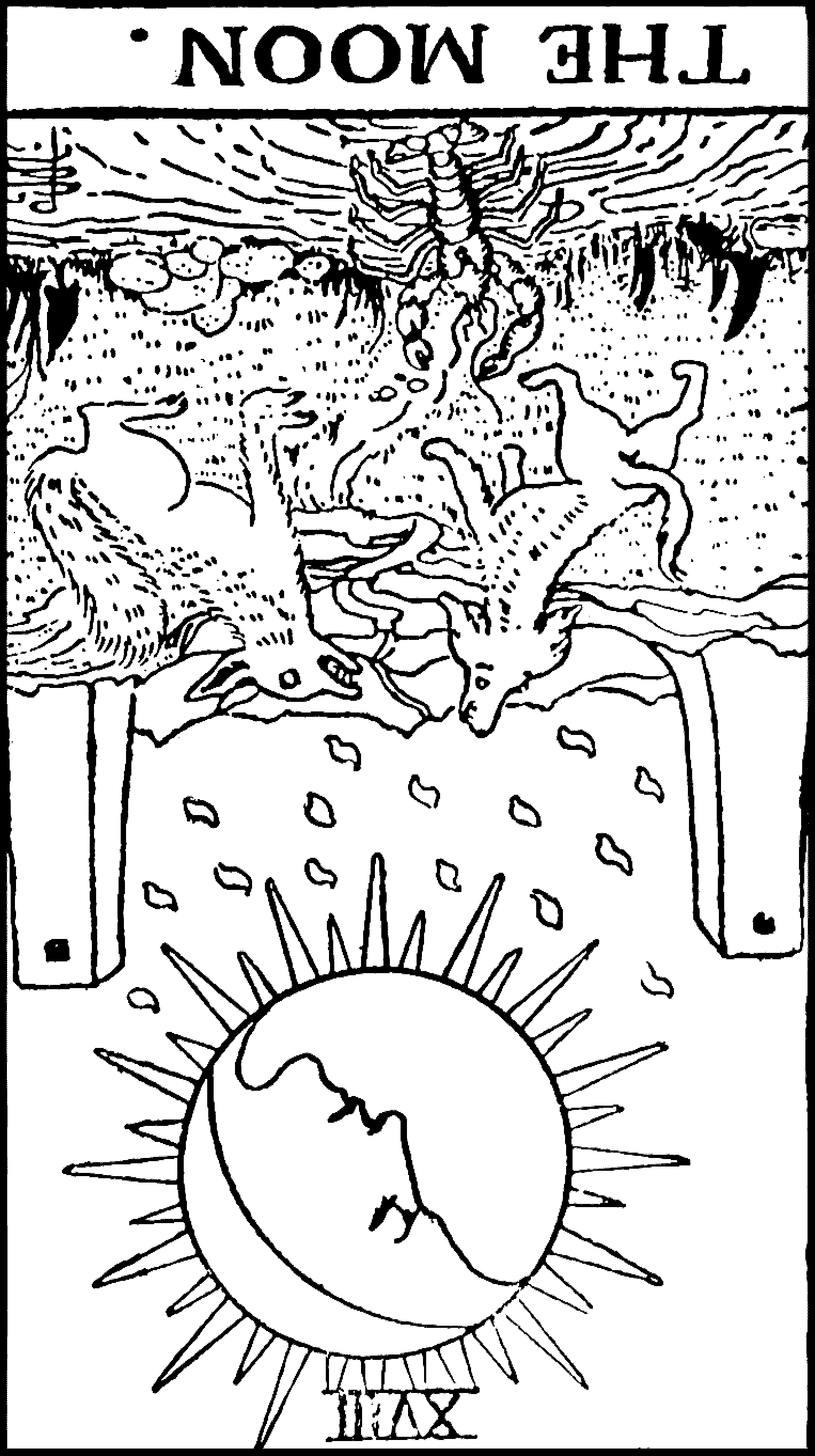
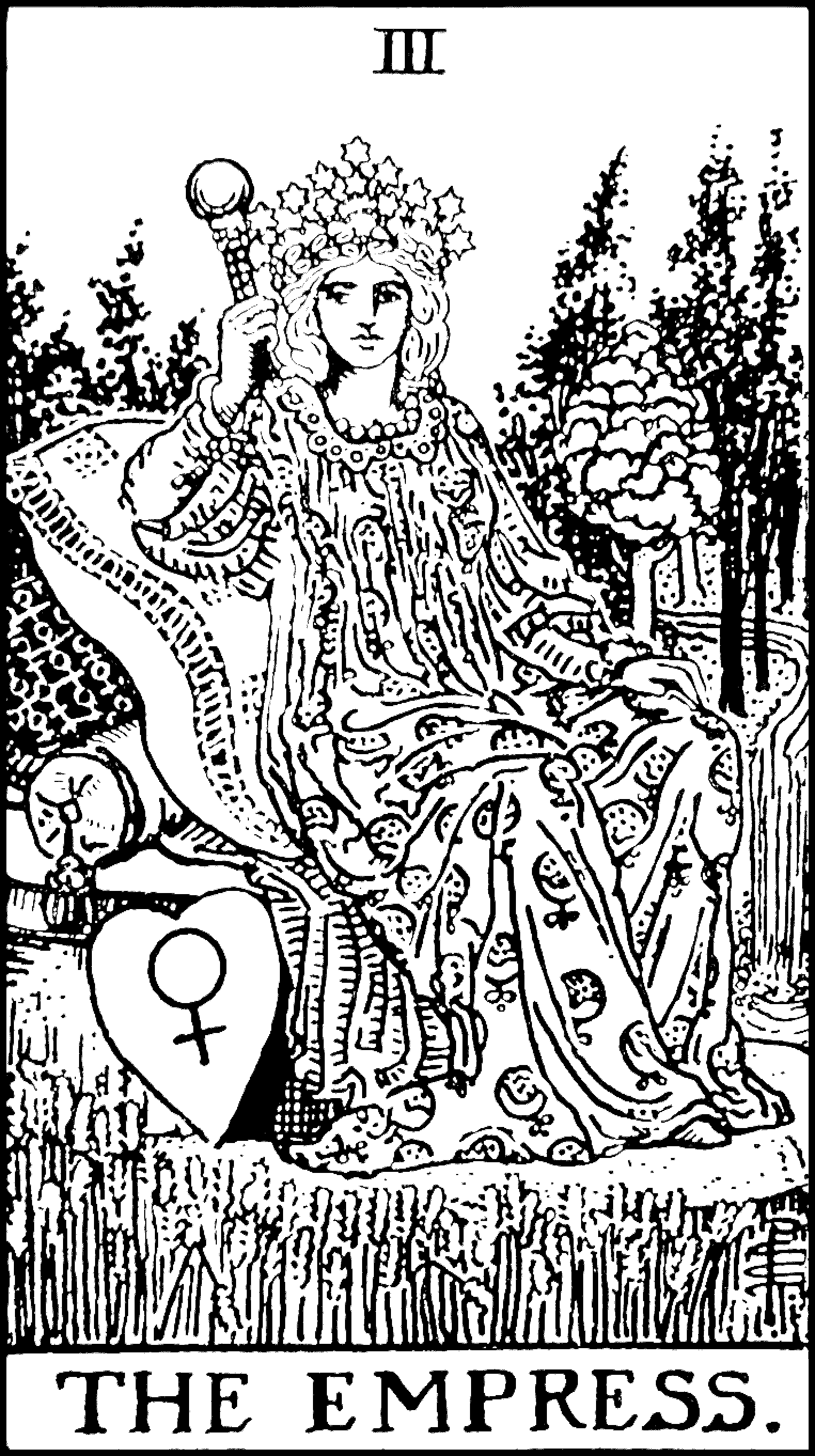
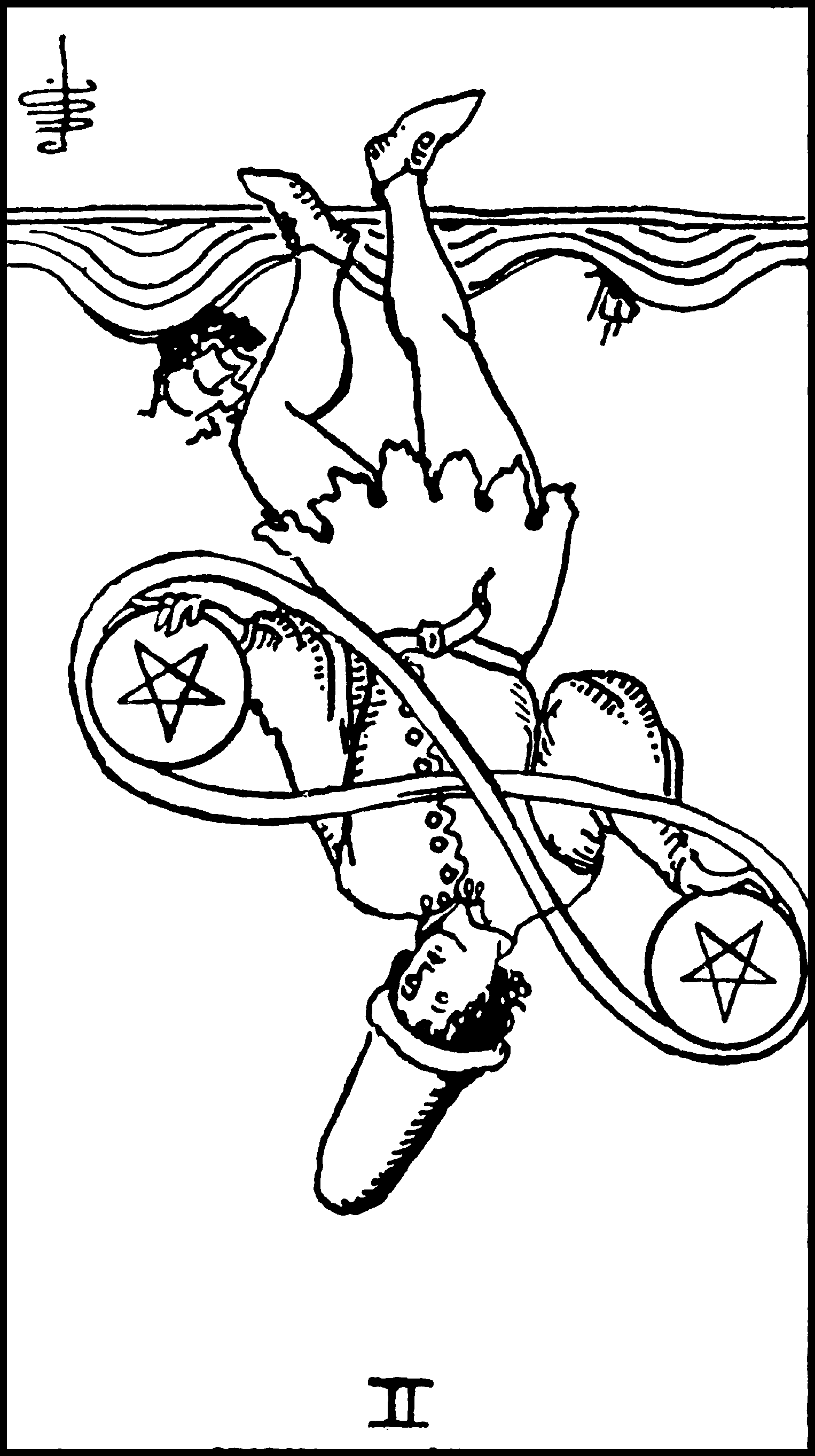
Complete Reading:This week we pulled
The Empress. Here, nurturing, striving, and the struggle for (sometimes incommensurate, battling) equilibriums — the force/energy that drives ALL creation. What you seek, will not be about a
reward (like an apex or point) but
being in accord with the processes/rhythms around you (metaphorically speaking, the symphony/sequence of seasons, sun, rain, soil, fertilization, harvest, etc., etc.).
Our first hexagram this week is #6,
Conflict. “If a person is entangled in a conflict, their only salvation lies in being so clear–headed and inwardly strong that they are always ready to come to terms by meeting the opponent halfway. To carry on the conflict to the bitter end has evil effects even when one is in the right, because the enmity is then perpetuated.” What is more truthful than the condition of compromise? As well, for any enterprise “to be successful they require concerted unity of forces” therefore it is unwise to proceed without respect and a mutuality of knowledge.
There was one change of which the specific note is: in a conflict, without an attitude of impartiality there will be no fairness.
Our second hexagram, the one that suggests how best to meet the challenges (or the changes) is #64,
Before Completion. “If we wish to achieve an effect, we must first investigate the nature of the forces in question and ascertain their proper place. If we can bring these forces to bear in the right place, they will have the desired effect and completion will be achieved. But in order to handle external forces properly, we must above all arrive at the correct standpoint ourselves, for only from this vantage can we work correctly… Accordingly, in times before completion, deliberation and caution are the prerequisites of success.” This is the last hexagram of the I Ching, before it all repeats. It is a difficult reckoning of change. It points to an arrival that has been in progress for a long time — a process that is almost inevitable. It is not wholly
in the bag but needs to be carefully carried through to the final realization — clarity of vision is of utmost importance. “The conditions are difficult. The task is great and full of responsibility… it is nothing less than that of leading the world out of confusion back to order…”